
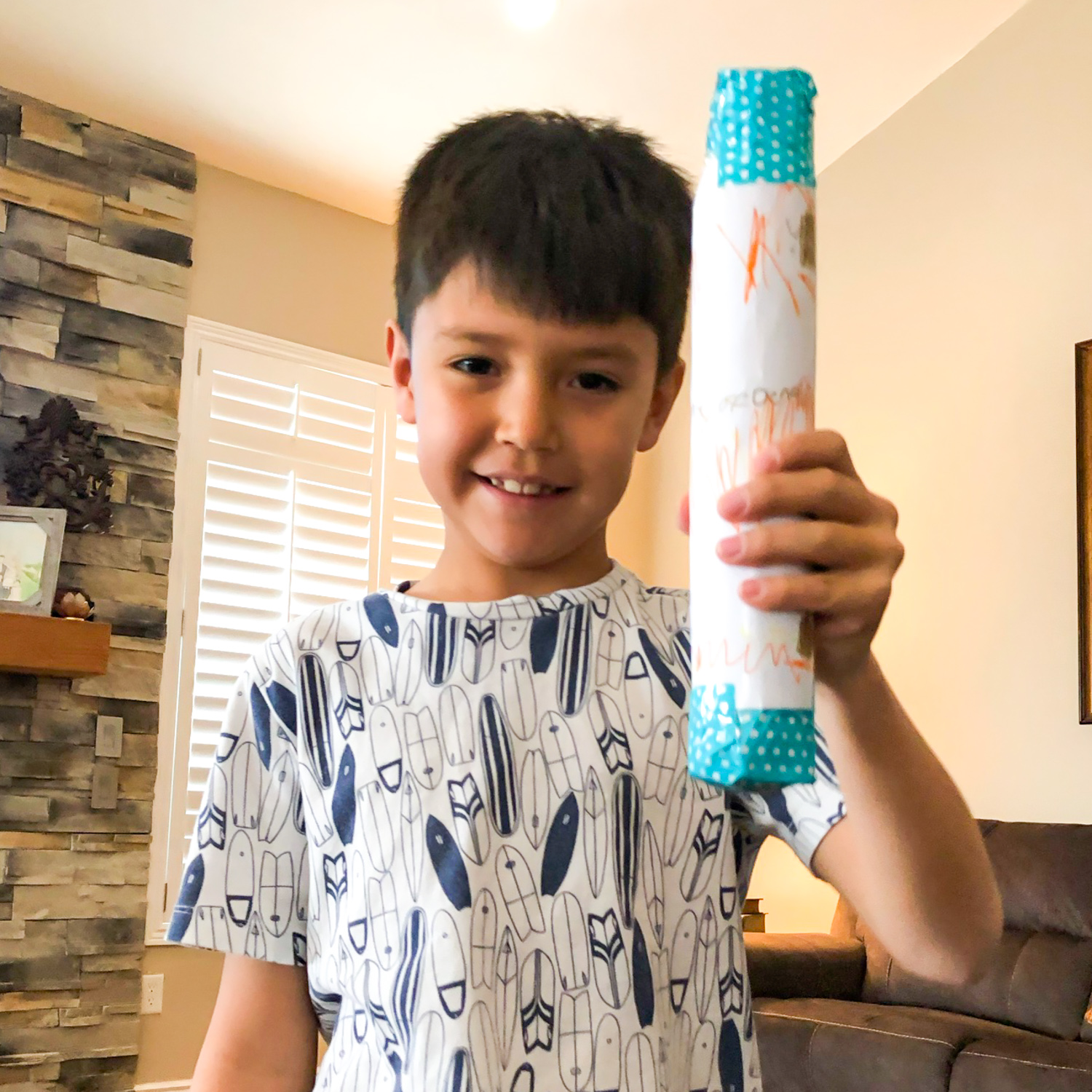
This DIY Rainstick for Kids craft was fun, inexpensive, and quick to make. My two older kids each made a rainstick and then together we made one that we modified for the baby using a puff container. This was a very fun craft to make together. As mentioned it was inexpensive and easy—but better yet, …
Teaching
Children learn their colors between 20 months-3 1/2 years of age. Doing some of the following 37 activities will help facilitate their learning. Playing with colored blocks. Color with crayons, colored pencils, etc. Go on a treasure hunt! Using paper lunch bags with colors on the front go to collect colored toys together. Tutorial on …
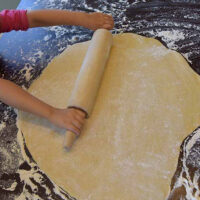
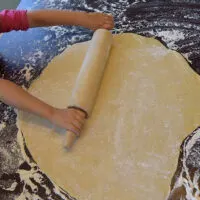
Most kids love to participate with and mimic their parents. My son observed me using a screwdriver and tape measure and now whenever he gets his hands on them he always pretends to use them in a similar fashion. My daughter loves to follow me around and do what I do: cook, try to put …
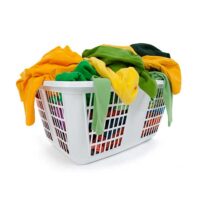
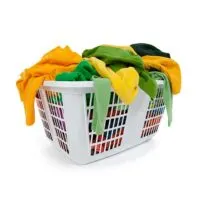
I have regularly involved my children in doing laundry for over a year now. Starting at about age 2 their laundry duties have gradually increased. Now that they are 3 and 5, they are doing the majority of their own laundry every week. Their duties include: Putting dirty laundry in the hamper. Helping me load …
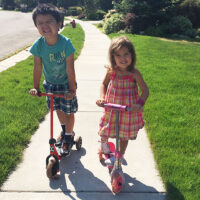
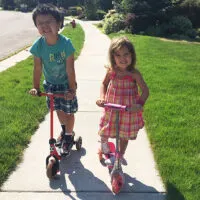
Children thrive in environments where they learn to help, have skills to do things, and feel like they contribute. Children should be taught the concept of earning something through work at a young age. I have been learning by experience how to teach toddlers to work, earn money, and become frugal. My daughter, Aurora, is …


Hello, readers of Anita’s blog. We are Paul & Camille Walker from www.kidsfamilyfinance.com and honored to guest post today. Over at KidsFamilyFinance we are a niche blog that is all about teaching kids about money. One question we have asked ourselves (and heard many others ask as well) is why do kids learn so much …
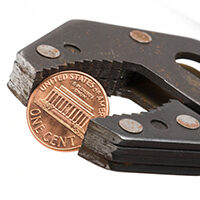
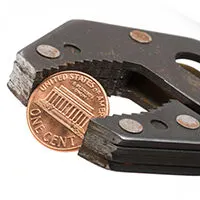
In psychology they have found and continue to prove that at the roots of our thought and actions are beliefs that we formed quite strongly while we were young. Psychologists call this your family origins. And while I’d like to think that it is not really the case (I like to be individual and …